Safe Maize Storage Moisture
Maize keeps safely only when it is dried to a low enough moisture level before storage; this guide gives the FAO figures and simple ways to check.
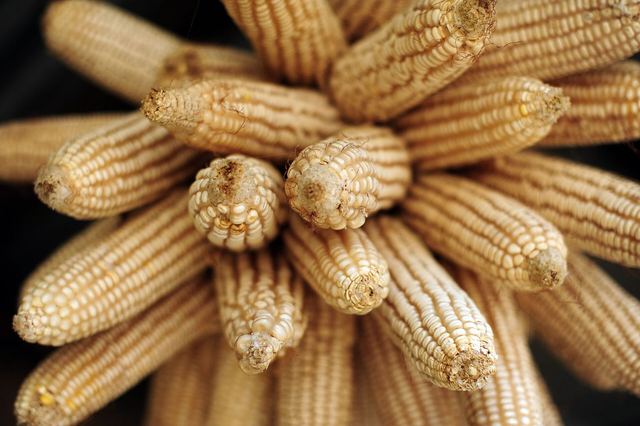
Grain storage begins with drying maize to a moisture level that holds back mould, insects and aflatoxin. Safe maize storage depends on lowering grain moisture to a safe range before it goes into the bag, crib or silo. If moisture stays too high, mould spreads, harming both crop value and human health.
Why Moisture Matters
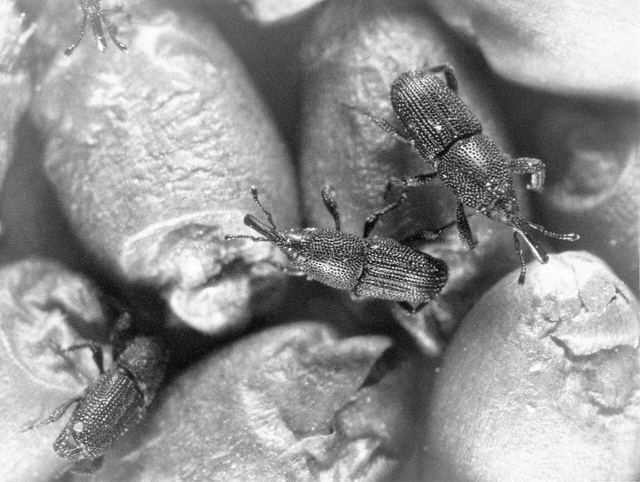
Moulds that thrive on moist grain, such as Aspergillus flavus and A. parasiticus, can produce aflatoxins, which are potent cancer-causing substances. The same damp, warm conditions that support mould growth also favour storage insects, and insect activity creates warm, damp spots in the store. Wet grain loses value long before damage is obvious: mould and toxins can be present in grain that still looks clean.
The Safe Moisture Numbers
FAO's guide on household food storage gives the maximum moisture content for safe storage as a range, from 7% for shelled groundnuts to 15% for beans, with an average of about 13% for cereals:
| Crop | Maximum moisture for safe storage (% wet basis) |
|---|---|
| Maize (shelled) | 13 |
| Paddy rice | 14 |
| Millet | 15 |
| Beans | 15 |
| Groundnuts (shelled) | 7 |
The risk of mould rises as moisture climbs above these levels, and CIMMYT researchers note that one or two percentage points lower moisture can make a big difference in reducing aflatoxin contamination. Buyers and national standards may set their own maximum for trade, so check the figure in the contract or the relevant standard.
How to Check and Dry Grain
A grain moisture meter gives the most reliable reading on the farm or in the store. Use a meter set for the crop being tested and take readings from several bags or points in the heap rather than one handful. Where a meter is not available, researchers working with CIMMYT and Purdue University have tested low-cost hygrometers: grain is sealed in a plastic bag with the hygrometer and read after the temperature settles, in about 15 minutes.
The salt test, promoted in Purdue University's SAWBO farmer animations, is a free rough check. Dry common salt and a sample of grain are shaken together in a clean, dry, sealed glass bottle and left to settle. If damp salt sticks to the walls of the bottle, the grain is too wet to store; this is commonly taken as moisture above about 15%. The test cannot show whether grain has reached 13%, so it is a screen, not a measurement.
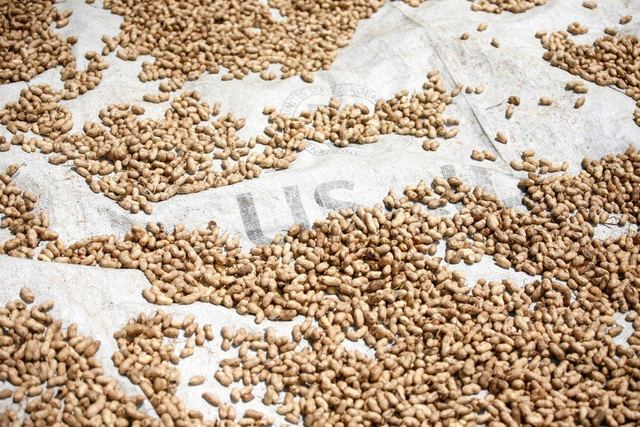
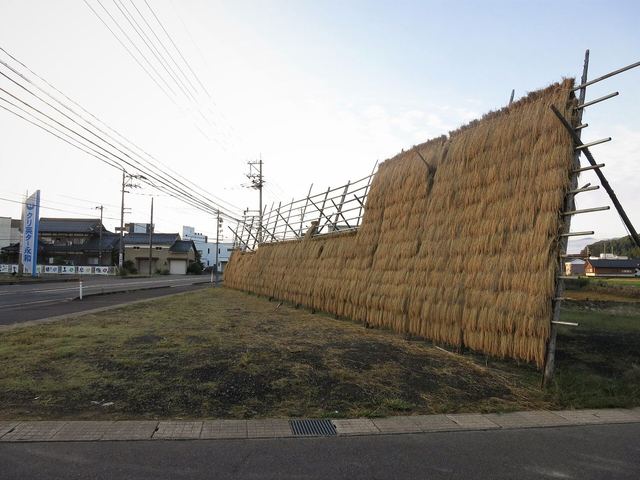
Drying brings grain down to these levels. FAO notes that in dry areas grain is often dried in the field, on mats, bags or threshing floors, while in humid areas ventilated cribs are used for both drying and storing maize cobs. FAO's maize compendium recommends narrower cribs where the local air is more humid, so air can pass through the whole crib. Drying on tarpaulins rather than bare ground keeps grain away from soil moisture, stones and dirt, and grain should be covered or brought in at night and when rain threatens.
After storage begins, keep checking. FAO advises putting a hand into the grain to feel for heating, smelling it, and looking for dark kernels or signs of mould, all of which indicate that moisture is rising. Seed grain and grain meant for long-term hermetic storage should be dried to the lower end of the safe range.