Paddy to Milled Rice
A tonne of paddy can give very different amounts of saleable rice depending on the mill, the grain and its moisture, and buyers price paddy accordingly.
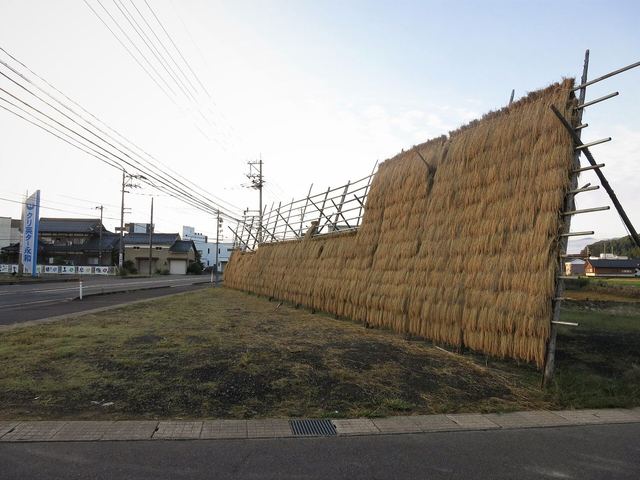
When selling paddy rice, farmers and aggregators need to know how many kilograms of milled rice a given weight of paddy will give, but the answer varies widely with mill type and grain condition. A village mill produces far less rice, and far more broken grains, than a modern plant, while grain purity, moisture and variety all shift the conversion rate.
How Much Rice Comes Out of Paddy
The conversion ratio from paddy to milled white rice is a range, not a single number. During milling, the husk and the bran layers are removed, leaving the white kernel. According to IRRI, milling good paddy gives about 20% husk, 8–12% bran depending on the degree of milling, and 68–72% milled rice depending on the variety. Real mills rarely reach that potential. IRRI gives these typical figures, both measured as a percentage of paddy weight:
| Milling system | Milling recovery | Head rice recovery |
|---|---|---|
| Laboratory potential | 68–72% | 50–58% (depends on variety) |
| Single-stage village mill (Engelberg steel huller) | 50–55% | 15–30% |
| Compact two-stage village mill | above 60% | 40–50% |
| Multi-stage modern mill | 65–70% | 45–55% |
So 100 kg of paddy might give 65–70 kg of rice in a well-run modern mill but only 50–55 kg in a single-pass steel huller. That gap is a real loss for anyone who sells or buys paddy without adjusting the price.
Why the Mill and the Grain Matter
Total milled rice contains whole grains, known as head rice, and brokens. Head rice is usually defined as kernels that keep at least three-quarters of the length of a whole grain. The Engelberg-type steel huller, still widely used in many African countries, is known for breaking grain, and IRRI puts its head rice at around 30% of the milled rice. Buyers care because, as IRRI notes, broken grain has only about half the market value of head rice.
The paddy itself matters as much as the machine. IRRI recommends milling at about 14% moisture: grain that is too dry breaks heavily, and so do mixed varieties, immature or chalky kernels, and grain stressed during harvesting and threshing or by delayed drying. Paddy with stones, straw and empty grains also lowers the recovery.
Parboiling and Pricing
Parboiling means soaking and steaming paddy, then drying it before milling. It is common in West Africa, and AfricaRice notes that, done properly, it protects the grain from breaking during milling and improves the physical, eating and nutritional quality of the rice. Parboiled paddy therefore usually gives a higher share of whole grains, although poorly controlled traditional parboiling can leave burnt grains and impurities. AfricaRice's improved GEM parboiling technology was developed to give cleaner, more uniform rice with fewer broken grains.
For pricing, the starting point is the expected milled rice and its quality. An illustrative example with round numbers: if a buyer expects 60 kg of rice from 100 kg of paddy and rice sells for 10 currency units per kg, the rice is worth 600 units; after subtracting milling, transport and handling costs, what remains is the most the buyer can pay for that 100 kg of paddy. If the lot is wet, dirty or mixed, the expected recovery falls and so does the offer.
Farmers and aggregators can protect themselves by drying paddy properly, keeping varieties separate, cleaning out stones and chaff, and agreeing in advance how moisture, impurities and brokens will be assessed. Local practices differ, so confirm grading rules with the buyer or mill before delivery.