ETLS Explained for Traders
The ECOWAS Trade Liberalisation Scheme lets regional farm produce cross borders duty-free, but traders still need the right papers and patience at checkpoints.
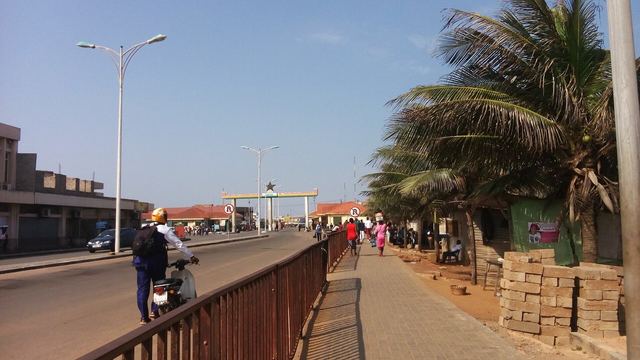
The ECOWAS Trade Liberalisation Scheme (ETLS) is meant to let goods that originate in ECOWAS member states move between them without customs duties, quotas or other trade barriers. That is the theory. In practice, small cross-border traders in grain, onions, livestock or crafts are still often stopped, delayed or asked for payments along the way.
What the ETLS Covers
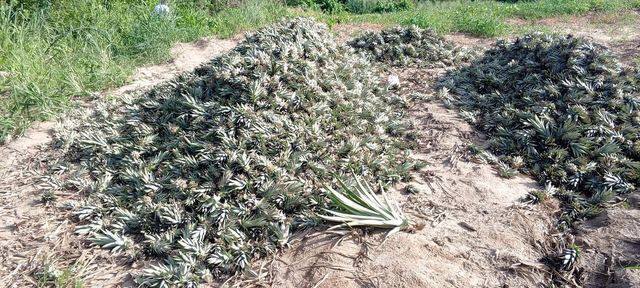
The scheme covers three broad groups of goods, provided they originate in the region: unprocessed goods, meaning crop, livestock, fishery and mineral products that have not been industrially transformed; traditional handicrafts; and industrial products, whether processed or semi-processed.
The rules differ sharply between these groups. According to Nigeria's official ETLS export guide, agricultural goods and artisanal handicrafts do not need an ETLS certificate of origin to be traded duty-free, but farm produce must carry the appropriate sanitary or phytosanitary certificate from the national plant and animal health authority, such as the Nigeria Agricultural Quarantine Service. The duty exemption also does not cover value added tax or excise duties where a country charges them.
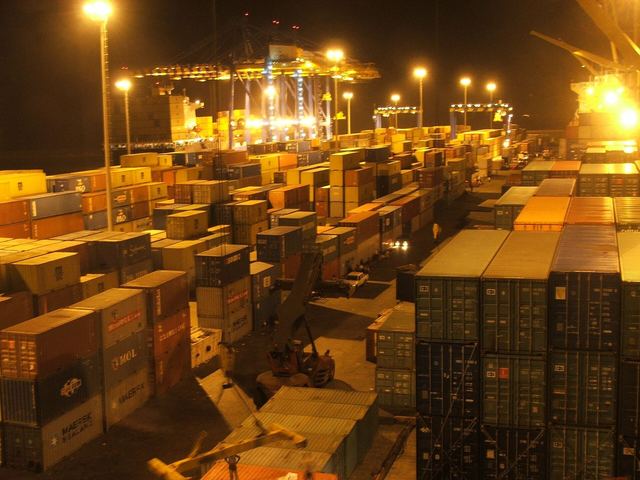
Industrial products need more. Each ECOWAS country has a National Approvals Committee that examines applications, can inspect factories, and recommends which companies and products to admit; the ECOWAS Commission then confirms the approvals and notifies member states. An approved product must meet a rule of origin, for example being wholly produced in the region, changing tariff heading through processing, or gaining value added of at least 30% of the ex-factory price. It then travels with an ECOWAS certificate of origin issued by a designated body, often a chamber of commerce or trade ministry, and an export declaration.
Why Traders Are Still Stopped
ETLS removes duties, not border controls. Customs, police, immigration and plant or animal health officers still check goods and papers, and a load can be held if documents are missing or do not match the goods, if unapproved processed goods are mixed with qualifying produce, or if the goods need health certificates the trader cannot show.
Implementation remains uneven. A pilot data collection by ECOWAS and the World Bank in five countries in late 2024 and early 2025 found at least two road checks per 100 km on the routes studied, an average of about six days to assemble trade documents, and costs of nearly 10% of the value of goods for documentation, border formalities and transport.
Membership matters too. Burkina Faso, Mali and Niger formally left ECOWAS in January 2025. ECOWAS said that goods from the three countries would continue to be treated under the ETLS on a provisional basis until the terms of separation were settled, so traders on those routes should check the current arrangement with customs before travelling.
What to Carry at the Border
Requirements differ by country and by product, so confirm them with the customs service and the national agriculture or quarantine authority of both the exporting and importing country. As a starting point, a small trader in farm produce should carry:
- a valid identity document or ECOWAS travel document;
- the phytosanitary or sanitary certificate for the produce, and any export permit the country requires;
- the customs export declaration, where required;
- receipts or invoices showing what is carried and its value;
- for processed goods, the ETLS approval and the ECOWAS certificate of origin.
Keeping copies, making sure every document matches the actual load, and asking for an official receipt for any payment all make a complaint easier if something goes wrong.