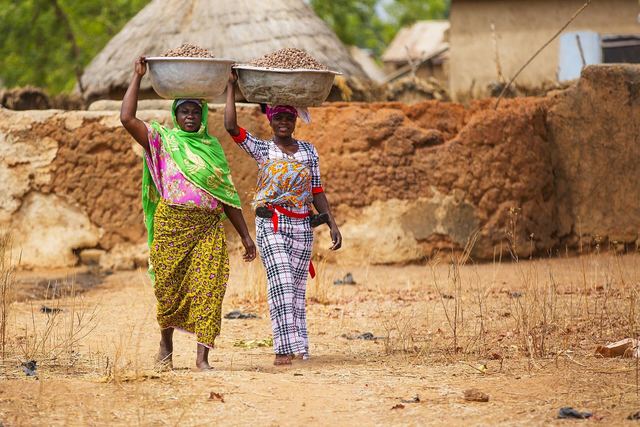
Cashew KOR Explained
KOR is the number buyers use to price raw cashew nuts: the pounds of usable kernel a cut test says one 80 kg bag will yield.
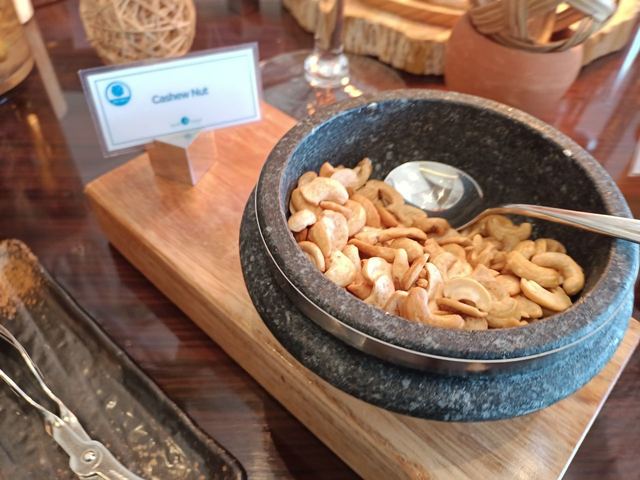
A cashew farmer or small trader may be quoted a price with a term like "KOR 48". The number is the Kernel Output Ratio, also called kernel out-turn ratio or simply outturn. In the raw cashew nut trade it means the weight of usable kernel, in pounds, expected from one 80 kg bag of in-shell nuts. It is based on a cut test of a sample, not on what a factory actually recovers.
What KOR measures and why buyers use it
A GIZ Competitive Cashew initiative (ComCashew) processing guide defines outturn in the raw nut trade as the weight of kernels in pounds per 80 kg bag of in-shell nuts. It adds that this is not the same as the kernel outturn a factory achieves, because the cutting test does not measure breakage, grades or processing losses.
A higher KOR means more kernel per bag, so buyers pay more for it. Quality assessment of raw cashew nuts rests on four parameters together: KOR, nut count, moisture content and the share of defective nuts. A 2022 study by researchers at the Cocoa Research Institute of Nigeria found KOR of 42 to 52 lbs in raw nuts from different Nigerian communities, with nut counts from about 140 to more than 250 nuts per kilogram, which shows how much quality can vary even within one country.
How the cut test grades a lot
The Nigerian study followed the quality chart developed by the African Cashew Alliance and ComCashew. In outline:
- A representative 1 kg sample is drawn from the lot, mixing nuts taken from different bags.
- The nuts in the sample are counted to give the nut count per kilogram, and moisture is measured with a meter.
- Each nut is cut in two along its length and the kernels are inspected under good light.
- Kernels are sorted into good, spotted, immature, damaged or otherwise defective, and each group is weighed.
- KOR is calculated from the weight of good kernels plus half the weight of partly acceptable kernels, scaled from the 1 kg sample to an 80 kg bag and converted to pounds.
The scaling is simple arithmetic: 80 kg is about 176.4 lbs, so each 1 gram of accepted kernel in a 1,000 g sample counts as about 0.176 lbs per bag. For example, 272 g of accepted kernel in the sample gives a KOR of about 48 lbs.
What moves KOR and the price
Much of the quality is set at harvest. A GIZ African Cashew Initiative guide, published through FAO, advises collecting fallen nuts at least every three days in southern Ghana and daily in hotter northern areas, detaching the apple cleanly, drying the nuts on mats or tarpaulins for several days while turning them, and removing immature, diseased, shrivelled and damaged nuts and foreign matter. Well-dried nuts should be stored in jute sacks on pallets in a dry, ventilated room and sold within the same year of harvest.
Wet nuts, stones, shells and defective nuts all lower the cut-test result or give the buyer a reason to discount the lot. The price paid for a given KOR is agreed privately between buyer and seller and changes with the market, so no fixed premium per pound applies. Where a country sets a minimum farm gate price or official quality rules for raw cashew nuts, confirm the current terms with the national cashew or agricultural regulator, and ask to see the cut test done on your own lot before agreeing a price.