Aflatoxin Limits in Maize
Aflatoxins cannot be seen, smelled or tasted, yet a single test result can get a maize or groundnut lot rejected, so sellers need to know the limits.
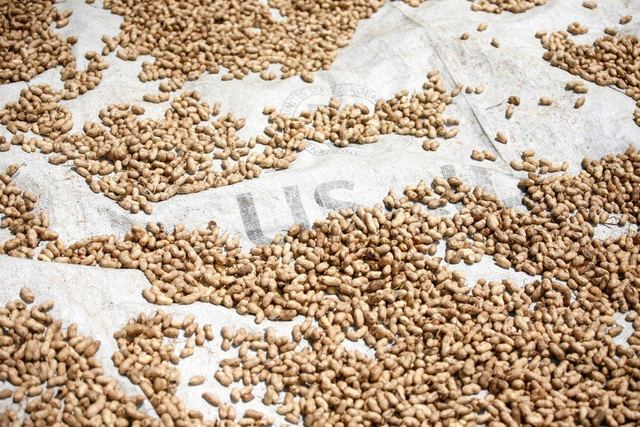
Aflatoxins are a hidden but serious risk for maize and groundnut sellers. These toxic mould byproducts cannot be seen, smelled or tasted, yet buyers in Africa and overseas reject grain and nut lots that exceed limits measured in parts per billion. Understanding the legal maximums and taking precautions throughout production and storage are the best ways to protect a crop from lost sales.
What Aflatoxins Are and Why They Matter
Aflatoxins are toxic compounds produced by certain Aspergillus fungi, especially Aspergillus flavus and Aspergillus parasiticus. These moulds grow on maize, groundnuts, sorghum and other crops, both in the field and in storage, especially under hot, humid conditions or when the crop is stressed by drought, damaged by insects or poorly dried. Aflatoxins are carcinogenic, can harm immune function and child development, and very high exposure can be rapidly fatal.
The Legal Limits
There is no single maximum: limits depend on the market and on whether the product will be sorted or processed before people eat it. Limits are given in micrograms per kilogram (µg/kg), which is the same as parts per billion (ppb).
| Market and product | Aflatoxin B1 | Total aflatoxins |
|---|---|---|
| EU: groundnuts to be sorted or physically treated before use | 8 | 15 |
| EU: groundnuts for direct human consumption | 2 | 4 |
| EU: maize to be sorted or physically treated before use | 5 | 10 |
| EU: cereals and cereal products for direct human consumption | 2 | 4 |
| Codex: peanuts for further processing | – | 15 |
| Codex: maize grain for further processing | – | 15 |
The EU limits are set in Regulation (EU) 2023/915, which replaced Regulation (EC) No 1881/2006; check the current consolidated text on EUR-Lex. Codex limits are international reference standards that many countries adopt or adapt. West African countries set their own national limits through bodies such as the Ghana Standards Authority, and these are revised from time to time, so confirm the current figure with the national standards body or with the buyer's contract. In practice, test export lots against the strictest market they may reach.
Buyers do not rely on the crop's appearance or a seller's word. Aflatoxin is unevenly spread through a lot, often concentrated in a few badly affected grains or kernels, so a proper test combines many small samples from across the lot, grinds them and analyses the mixture. Buyers and warehouses commonly screen with rapid test kits, while exporters and regulators rely on accredited laboratory analysis. If the result is above the applicable limit, the whole lot fails, even if most bags look clean.
Preventing Contamination
Prevention starts in the field and continues through storage:
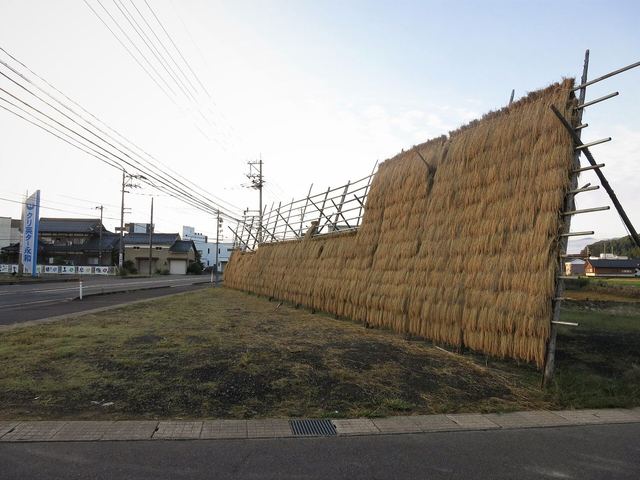
- Harvest on time rather than leaving the crop to dry in the field for weeks.
- Dry quickly to safe moisture, off bare ground, and keep the crop dry.
- Sort out mouldy, shrivelled, discoloured and insect-damaged grains and pods.
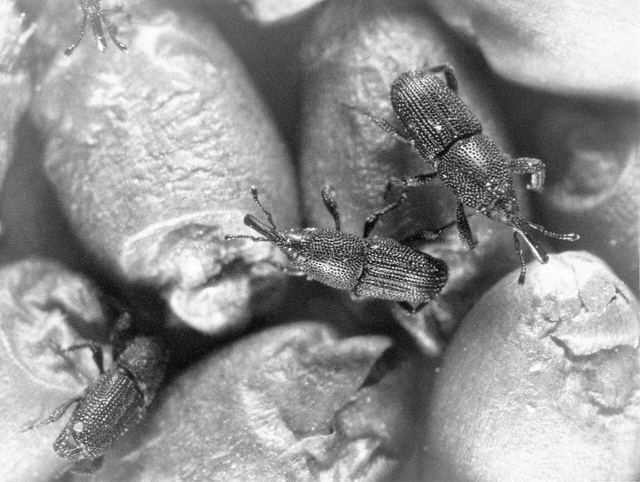
- Store in clean, dry, well-ventilated conditions and control insects, for example with hermetic bags.
Biocontrol adds protection in the field. Aflasafe, developed by IITA and partners, contains native strains of Aspergillus flavus that do not produce aflatoxins. Applied to the soil shortly before the crop flowers, these strains outcompete the toxin-producing fungi, and IITA reports reductions of more than 80% in aflatoxin contamination among farmers who use it. Field trials published in 2024 confirmed large reductions in maize, groundnut and sorghum in farmers' fields across Burkina Faso, Mali, Niger and Togo.
No single measure guarantees a lot will pass. Combining biocontrol, careful drying and sorting with a test before sale gives sellers the best chance that their crop meets the buyer's limit.