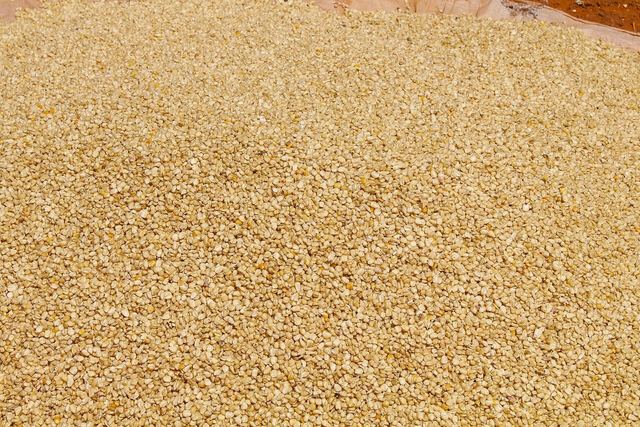
Warehouse Receipt System Explained
A warehouse receipt turns grain stored in a certified warehouse into a document of title that can be sold or pledged to a bank without moving the bags.
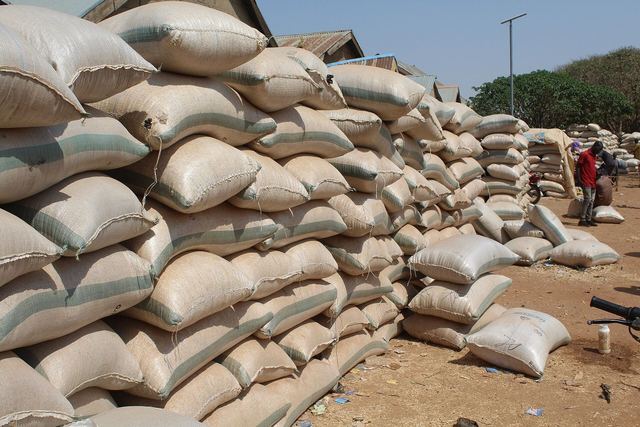
A warehouse receipt system lets grain farmers store graded grain in a certified warehouse, receive a document of title for it, and use that document to sell later or to seek credit against the stored grain.
How the warehouse receipt system works
A warehouse receipt certifies that a certain quantity and quality of a commodity has been deposited in a secure warehouse, and it serves as a title to that commodity. An FAO Investment Centre paper explains that receipts can be tradable or non-tradable: a tradable receipt serves as collateral a lender can hold, and lets ownership of the stored goods change hands without the bags being moved. In Ghana, the Ghana Commodity Exchange (GCX) runs a warehouse receipt system that offers farmers, traders, processors and aggregators storage, access to credit and access to a market.
To participate, depositors bring their grain to a GCX-certified warehouse, where it can be cleaned, dried, graded, weighed and re-bagged into standard bags. The quantity, quality and grade are then recorded, and the receipt is issued in electronic form. According to a GCX presentation published by Ghana's Securities and Exchange Commission, the receipt states the product's quality, quantity, grade and ownership, is negotiable, can be split into smaller lots for trading, and is recognised as a security under the Securities Industry Act, 2016 (Act 929).
The receipt can be sold on the GCX trading platform or used as collateral for a short-term loan from a bank that works with the exchange.
Using the receipt for a loan
The GCX presentation sets out the pledging process in plain steps:
- The borrower stores the commodity in a GCX warehouse and obtains a receipt.
- The borrower presents the receipt to a partner bank and applies for a loan.
- The bank verifies the receipt with the GCX central depository, which places a "no sale" block on the pledged receipt.
- When the loan matures, the depositor sells the commodity and the bank recovers the loan plus interest and charges, paying any balance to the borrower. If the borrower defaults, the bank can have the receipt sold on the exchange.
A receipt has a validity period after which the commodity must be re-certified; for grains such as maize, soya, beans and rice the presentation gives nine months. Loan length depends on the bank, and the presentation expected loans of up to about four months.
Limits and what to check
The system suits commodities whose price rises clearly between harvest and the lean season, because the cost of storage and interest must be lower than the price difference. The GCX presentation also names barriers for smallholders: minimum lot sizes and the distance to a certified warehouse. It suggests that small farmers join through cooperative unions or farmer societies and trade through brokers.
Warehouse receipt finance exists in other African countries too, but rules, operators and legal backing differ from one system to another, and no single regional scheme covers West Africa. Storage fees, grading charges, eligible commodities, minimum lots and interest rates change, so confirm the current details with the Ghana Commodity Exchange, the Securities and Exchange Commission of Ghana or the exchange or regulator running the system in your country before depositing grain.