When Maize Is Cheapest
Maize prices follow the harvest calendar, but whether storing grain for a better price pays depends on losses, storage fees and the cost of credit.

Farmers and traders in West Africa often face the same question: sell maize right after harvest, or keep it for the lean season when prices are higher? The answer is not simple. It depends on the timing of price changes, and on weighing storage losses, transport and the cost of credit against any gain later.
Harvest timing and the price cycle
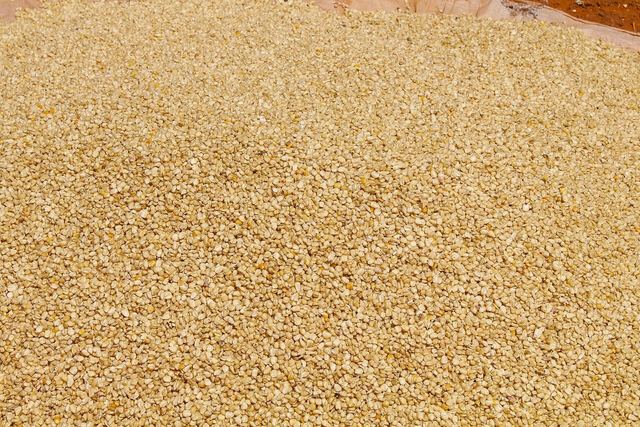
Maize is usually cheapest right after the harvest, when supply is abundant, and dearest during the lean season, when stocks run low. The timing differs between the coast and the interior. Southern Ghana has two rainy seasons, a major season from about March to July and a minor season from about September to November, so it can produce two maize crops a year. Northern Ghana has a single rainy season from about May to October and one crop, harvested towards the end of the rains. The Sahelian countries further north follow the single-season pattern: FEWS NET describes the lean season there as the months, typically June to September, when household stocks are depleted and people rely more on markets, before harvests from October improve supplies.
What the Ghana price data show
A 2020 market brief by Ghana's Ministry of Food and Agriculture and the International Food Policy Research Institute analysed national wholesale maize prices from 2006 to mid-2017. It found that prices are lowest during the harvest in October and rise gradually through March while new stocks keep entering the market. From April prices rise faster, peaking in July at about 33 percent above the October level in real terms.
That average hides risk. The same analysis found that prices typically varied about 8 percent around the seasonal pattern, and deviations of 15 percent or more were frequent. Weather shocks, imports and unexpected government or donor purchases can all push prices away from the usual path.
When storing grain pays and when it does not
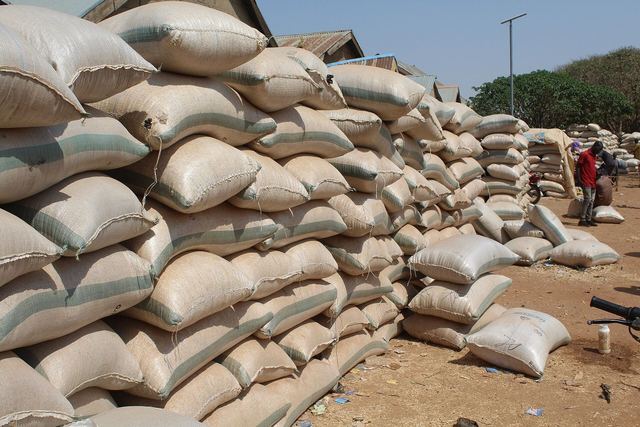
Storing to sell later only pays when the expected price rise is larger than the full cost of holding the grain: storage fees, handling, transport, insurance, interest on any loan and the grain lost to insects, moulds and moisture. The MoFA–IFPRI brief put storage costs quoted by the Ghana Grains Council plus loan interest quoted by the Agricultural Development Bank at about 28 percent of the grain's value over a nine-month storage period, close to the average 33 percent seasonal gain. It concluded that at those costs, simply storing from October to July may not be lucrative, although some traders can profit by combining storage with selling in a better-priced market.
The calculation changes from farm to farm. A household that stores its own dry, clean maize in hermetic bags, without borrowing, faces much lower costs than a trader paying warehouse fees and bank interest. A farmer who must repay an input loan at harvest may have no real choice but to sell early. Rates and fees change, so current storage charges and loan terms should be confirmed with the warehouse operator and the lender before deciding.
The practical takeaway: the cheapest time to buy maize is usually at harvest, around October in Ghana's main producing areas, and the dearest is the lean season before the next harvest. Selling later makes sense only when the grain is properly dried and protected, the cost of money is low, and the expected price rise clearly exceeds all the costs of waiting.