Farmer Group Bulk Selling
How farmer-based organisations in West Africa bulk up produce for processors and traders, and what makes group sales succeed or break down.

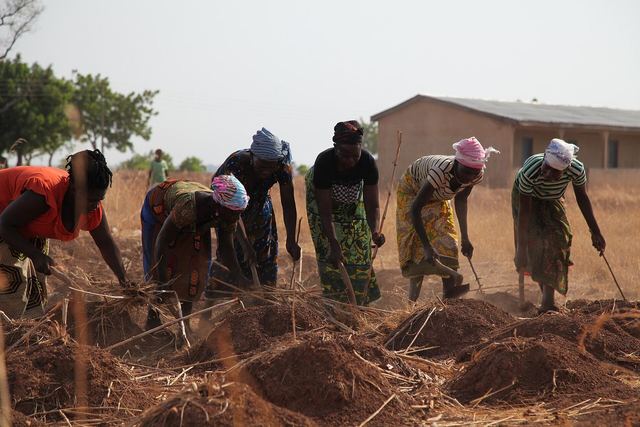
Collaboration among small-scale farmers in producer groups can improve bargaining power and open the door to bulk sales, but only if collection, grading and payment are properly managed. A single farmer with a few bags has little to offer a processor, an exporter or an institutional buyer. A group that brings together the harvest of many members can offer the volume and consistency those buyers need.
Why groups aggregate
FAO's work on linking producers to markets notes that groups can achieve economies of scale that overcome the high transaction costs farmers face acting individually. Groups also help members reach extension services and inputs, improve the quality and quantity of produce, and negotiate more effectively. Buyers gain too: bulking reduces the cost of buying from many scattered farms. FAO also warns that membership has hidden costs, such as time spent in meetings and the loss of freedom to sell when and to whom a farmer wants.
How a bulk sale is organised
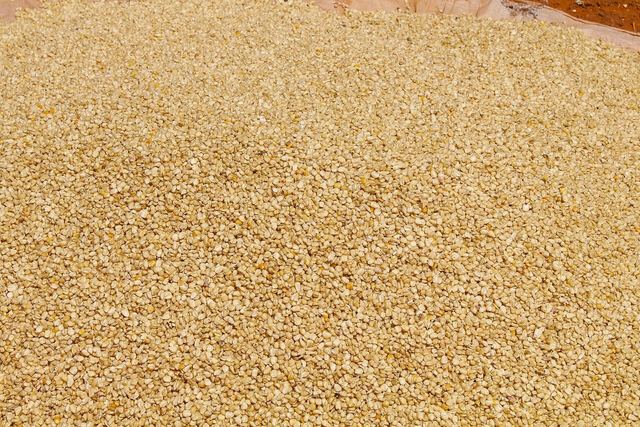
Bulking is not just stacking bags. The combined lot must be of uniform quality, so a well-run group usually follows these steps:
- Agree the sale first: quantity, quality specification, price basis, delivery point and payment date with the buyer, preferably in writing.
- Collect at a set point: members bring produce to a collection centre or warehouse on announced days.
- Grade and weigh in front of the member: produce below the specification is kept apart, and weights are taken on a checked scale.
- Record every delivery: member name, date, weight and grade, with a receipt for the member.
- Deliver and get paid: the lot goes to the buyer as one consignment, and the group pays each member according to the records, after any agreed deductions for transport, bags or group costs.
Clear records and prompt payment are what keep members bringing produce back season after season.
Registration and why group sales fail
Informal groups can sell together, but many buyers and lenders prefer a registered body. In Ghana, cooperative societies are registered by the Department of Co-operatives under the Co-operative Societies Decree, 1968 (NLCD 252). In Nigeria, the Nigerian Co-operative Societies Act provides for Directors of Co-operatives at federal and state level; a primary society needs at least ten qualified members, and the application goes to the Director with the proposed bye-laws. Requirements and fees can change and vary by state, so confirm them with the relevant cooperative department before applying.
Group sales most often break down over side-selling, trust and cash. FAO notes that a farmer usually in urgent need of cash may find it sensible to sell to a trader offering a higher or quicker price, even when the group has agreed a sale. When the group cannot pay members on delivery because the buyer pays later, the pull of side-selling grows, and the group may fail to fill its contract. Weak leadership and management matter too: FAO cites an estimate that by 2005 only two percent of producer organisations formed with rice irrigation schemes in Mali were working correctly, largely because of governance and management problems.
A farmer group leader who wants better prices from selling together should start small, with one buyer and one crop, keep transparent delivery and payment records, agree payment timing with the buyer before collecting produce, and explain the group's costs to members in advance.