Shea Butter Quality Grades
Whether a group sells shea kernels or butter, buyers judge the product on a few laboratory numbers, and most of them are decided at collection and drying.
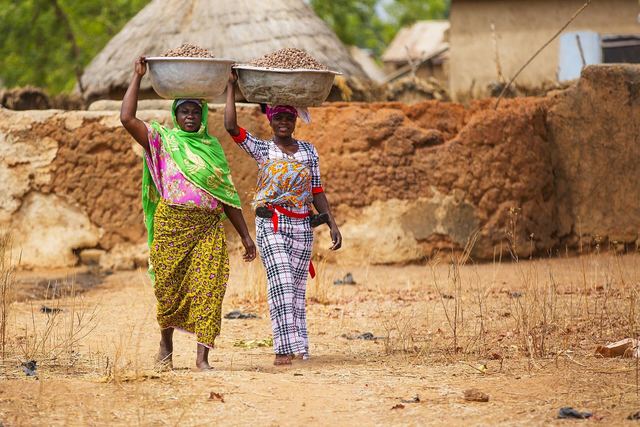
Shea collectors and producers face a key question: sell dried kernels, or process them into butter? The answer depends partly on which quality grade they can meet, because buyers test shea for a handful of measurable quality factors.
How shea butter is graded
For food use, the reference is the Codex Alimentarius Regional Standard for Unrefined Shea Butter (Africa), CXS 325R-2017. It defines two grades: the first can be used for direct consumption, and the second for the food industry, such as confectionery, chocolate, edible oil or the base for margarines. To earn a grade, butter must meet limits on four measurements:
| Characteristic | Grade 1 (maximum) | Grade 2 (range) |
|---|---|---|
| Water content | 0.05% | 0.06–0.2% |
| Free fatty acids (FFA) | 1% | 1.1–3% |
| Peroxide value (meq active oxygen/kg) | 10 | 11–15 |
| Insoluble impurities | 0.09% | 0.1–0.2% |
The Codex standard covers food only. An earlier African Regional Standard for unrefined shea butter, from the African Organisation for Standardisation (ARSO), used three types with similar limits for the first two. It described type 1 as serving the cosmetic and pharmaceutical industries as well as direct consumption, and type 3, with FFA above 3 and up to 8 percent, as butter for soap-making or for refining. National standards bodies may have adopted their own versions, so check which standard a buyer's contract refers to.
Why buyers test FFA, moisture and impurities
Free fatty acids and peroxide value show how far the fat has started to break down: high values mean rancid taste and smell, a shorter shelf life and more refining work for an industrial buyer. Water and insoluble impurities such as fibre, sand and shell fragments encourage spoilage and reduce the usable fat in each kilogram. Lower-grade butter is not worthless, but it serves different uses and earns a lower price.
Kernels and butter serve different markets. A 2020 FAO and Global Shea Alliance study reports that the food industry, mainly confectionery and bakery, uses about 90 percent of the international supply of shea, with the rest absorbed by cosmetics. Kernels are the raw material for large-scale industrial extraction, while butter made by women's groups can reach food and cosmetic buyers directly if it meets their specifications.
What makes kernels and butter lose quality
Quality is largely set in the weeks after collection. The FAO–GSA study notes that shea fruits are collected and processed by women between May and August. A study by the Cocoa Research Institute of Ghana (Aculey and others, 2012) found that:
- storing fresh fruits for more than three days before depulping lowered kernel and butter quality, with higher FFA;
- kernels from nuts that were not parboiled had very high FFA, around 19 to 20 percent, while parboiled kernels dried in a solar dryer or on mats stayed between about 0.14 and 1.5 percent;
- solar drying reached about 7 percent kernel moisture in 7 days, against 11 days on mats and 14 days on the floor, and floor-dried kernels were much more often mouldy, including with Aspergillus moulds that can produce aflatoxins.
The practical takeaway for women's processing groups: collect and depulp promptly, parboil and dry kernels quickly on raised mats or in a solar dryer rather than on bare ground, keep them dry and clean in storage, and filter butter well. Ask buyers for their written specification (FFA, moisture, impurities and any aflatoxin limit) before the season, and consider having samples tested, since the grade, not the form of sale alone, decides where the product can go.