Phytosanitary Certificate Ghana
Most plant products leaving Ghana need a phytosanitary certificate from PPRSD, issued only after the exporter is registered and the consignment passes inspection.
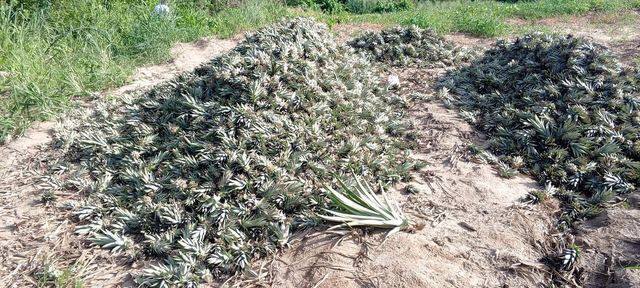
A Ghanaian exporter needs a phytosanitary certificate for a produce shipment because the destination country wants official assurance of plant health before the goods are cleared. In Ghana, the certificate is issued by the Plant Protection and Regulatory Services Directorate (PPRSD) of the Ministry of Food and Agriculture (MOFA).
What the Certificate Is and Who Issues It
A phytosanitary certificate is an official document, in the format set by the International Plant Protection Convention (IPPC), in which the exporting country's national plant protection organisation certifies that a consignment has been inspected and meets the plant health import requirements of the destination country. Importing countries ask for it to keep out pests and diseases that could harm their own crops. It is not a commercial or customs document, and it does not replace a certificate of origin or a food safety certificate.
In Ghana, PPRSD's Plant Quarantine Division regulates the import and export of plants, plant products and regulated articles through import permits and phytosanitary certificates. It also provides inspection, treatment, information on export requirements and, for fresh produce, checks of marketing quality compliance. Its work rests on the Plants and Fertilizer Act, 2010 (Act 803). PPRSD's guidance under that law states that phytosanitary certificates are issued on all plants, plant parts, plant products and regulated articles exported from Ghana.
The Ghana Process
The general steps, as PPRSD's guidance describes them, are:
- Register as an exporter. All exporters of plants, plant products and regulated articles must be officially registered with PPRSD, and registration must be renewed every year.
- Apply for the certificate. The application gives the names and addresses of the exporter and the importer or consignee, the commodity and quantity, the destination, the port of exit and the means of transport.
- Present the consignment for inspection. Inspection and related work are carried out only by or under the authority of designated PPRSD officers, who may require treatment where the importing country demands it.
- Receive the certificate. It is issued only after officers are satisfied that the consignment meets the importing country's phytosanitary requirements. Any treatment applied is recorded on it.
Before shipping, find out the importing country's requirements, including any import permit the buyer must obtain, and book the inspection early enough to allow for any treatment. Under IPPC rules, the certificate should contain only phytosanitary information. Details such as letters of credit, pesticide residue declarations, animal or human health statements and radioactivity do not belong on it and are covered by other documents. Fees, forms and inspection lead times change, so at the time of writing confirm them with the nearest PPRSD office.
How Nigeria and Côte d'Ivoire Compare
In Nigeria, phytosanitary certificates for plant exports are issued by the Nigeria Agricultural Quarantine Service (NAQS), an agency under the federal agriculture ministry. NAQS inspects plants and plant products for export, applies treatment where necessary or mandatory, and certifies them; applications go through its online ePhyto and e-services portals.
In Côte d'Ivoire, the national plant protection organisation is the Directorate of Plant Protection, Control and Quality (DPVCQ) of the Ministry of Agriculture. Its procedures are published on the foreign trade single window (GUCE): before loading, the exporter or forwarder requests an inspection from a DPVCQ station, officers sample and inspect the goods, and the certificate is issued once the results are satisfactory. In all three countries, the certificate follows the same IPPC model, so importing countries can read and verify it.